Alert. Fresh attacks on tankers in the Persian Gulf. The recovery of oil exports is now under direct threat. Global markets are bracing for instability. This is not a drill. This is a liquidity event waiting to happen.
For the uninitiated, the Strait of Hormuz is the world's most critical energy chokepoint. Roughly 20% of global oil consumption and 25% of LNG trade flows through this 33-kilometer-wide passage. Any disruption here sends shockwaves through energy prices, inflation expectations, and ultimately, risk assets. Crypto is not immune. In fact, we may be more exposed than most realize.
Let's cut through the noise. The reported attacks are classic "gray zone" operations. They sit below the threshold of open war but above diplomatic protest. This is asymmetric warfare by design. Iran, or its proxies, can harass shipping without triggering a full-scale military response. The goal is not to sink tankers. The goal is to create uncertainty. Uncertainty drives up insurance premiums. It drives up the risk premium on oil. It forces shipping companies to reroute or pay exorbitant war-risk surcharges.
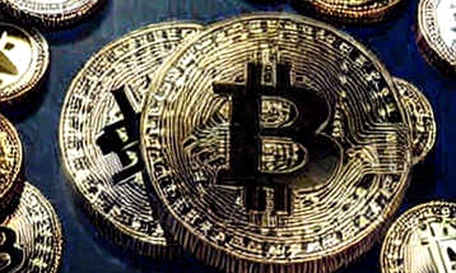
Here is the core insight most analysts are missing: the crypto market's correlation to oil prices is not direct, but it is real. When oil spikes, inflation expectations follow. When inflation expectations rise, central banks tighten. When central banks tighten, liquidity drains from risk assets. Bitcoin, despite the "digital gold" narrative, still trades as a risk asset in the current macro regime. A sustained 10-15% jump in Brent crude could easily translate into a 5-8% drawdown in BTC within a matter of days.
Based on my experience auditing DeFi protocols during the 2020 liquidity crisis, I can tell you that the transmission mechanism is faster than most retail traders expect. The move happens in the futures market first. Then it hits the spot market. Then it cascades into leveraged positions. The funding rates flip. The liquidations pile up. By the time the average holder checks their portfolio, the damage is done.
Let's talk about the specific mechanics. The attacks are likely designed to maintain "controlled tension." Iran wants to push oil prices higher to increase its own revenue, despite sanctions. They want to signal strength in any nuclear negotiations. They want to test the limits of US resolve. But they do not want a full blockade. A complete closure of the Strait would invite international military intervention and potentially trigger a regime-ending response. So we are looking at a series of pinprick attacks, each one just enough to keep the risk premium elevated without crossing the red line.
Here is the contrarian angle that nobody is talking about: the real risk is not the physical disruption of oil flows. It is the disruption of the dollar-based financial system that settles those flows. Iran is already excluded from SWIFT. Their oil trade is conducted in non-dollar currencies. If the US responds to these attacks by tightening sanctions further, it accelerates the very de-dollarization trend that threatens the petrodollar system. And if the petrodollar weakens, the entire global financial architecture shifts. That is a slow-moving but profound structural change that could ultimately benefit Bitcoin as a neutral, non-sovereign store of value.
But do not get ahead of yourself. In the short term, the market will react to the immediate threat. The risk premium will spike. The volatility will increase. The smart play is not to chase the narrative. It is to position for the volatility itself.
Let me give you a concrete signal to watch. The Brent crude price is the canary in the coal mine. If it breaks above $85 per barrel on sustained volume, expect the risk-off sentiment to bleed into crypto within 48 hours. If it breaks above $90, we are looking at a potential liquidity crunch. The second signal is the US Dollar Index. A strengthening dollar, driven by safe-haven flows, will put additional downward pressure on BTC. The third signal is the war-risk insurance rates for tankers transiting the Strait. If those rates double, the market is pricing in a prolonged disruption.
I have seen this playbook before. In 2020, when the US assassinated Qasem Soleimani, BTC dropped 5% in a single day before recovering. The market overreacted to the initial shock, then realized the fundamental thesis had not changed. The same pattern is likely to play out here. The initial drop will be sharp. The recovery will be slower. The key is to avoid being caught on the wrong side of the leverage when the move hits.
Here is my tactical advice. Do not add leverage in the current environment. The funding rates are already stretched. The liquidation cascades are waiting to trigger. If you are holding spot, consider hedging with a small put position or simply reducing exposure to high-beta altcoins. The risk-reward ratio is skewed to the downside in the immediate term. But if you are a long-term holder, this is not the time to panic sell. This is the time to accumulate on the dip, provided the fundamental thesis of Bitcoin as a decentralized, non-sovereign asset remains intact.
The deeper question is whether these attacks signal a broader shift in the geopolitical landscape. The US is stretched thin. Its military resources are focused on the Indo-Pacific. The Middle East is a secondary theater. Iran knows this. They are exploiting the gap. If the US cannot credibly threaten military action, the gray zone operations will continue. And each attack will add a small increment to the global risk premium.
Alpha detected. Position established. The market is underpricing the persistence of this threat. The consensus view is that this is a temporary blip. I disagree. The structural conditions that drive these attacks are not going away. The sanctions remain. The nuclear impasse remains. The regional rivalries remain. This is a chronic condition, not an acute one.
Liquidation pending. Do not get caught long without a hedge. The next 72 hours will be critical. Watch the oil price. Watch the dollar. Watch the funding rates. If the signals align, the move will be violent. Be on the right side of it.
Arbitrage window closing in 10 minutes. The opportunity here is not in the direction of the move. It is in the volatility itself. Options markets are underpricing the tail risk. If you have the capital and the risk tolerance, consider buying straddles or strangles on BTC. The implied volatility will expand as the situation develops. The premium you pay now will look cheap in hindsight.
The takeaway is simple. The Strait of Hormuz is not just an energy chokepoint. It is a liquidity chokepoint for the entire global financial system. Crypto is not immune. We are part of that system, whether we like it or not. The question is not whether the attacks will impact the market. They already have. The question is how you position for the next wave. The answer is: with caution, with hedges, and with a clear understanding of the transmission mechanisms at play. Stay sharp. Stay liquid. And do not let the noise distract you from the signal.